
Turning 50 is a milestone for many people. The half-century mark comes with new rules for medical tests and often brings a couple of health-related signals indicating that it’s time for some dietary changes. Even if you have enjoyed a healthy 50 years or more, nutritional needs change over time. Gradual dietary tweaks may be wise to ensure your golden years are, well, golden.
To help determine what nutrition your body needs as you age, it can be helpful to schedule a consultation with a registered dietitian. As the clinical dietitian at Blakeford, an elder care and senior living provider in Nashville, Tennessee, I work with elders of all ages and abilities to help them improve their health through smart eating.
10 Ways for Caregivers and Seniors to Improve their Diets
First, let’s remember that diets are individualized. Recommendations change based on a person’s age, activity levels and unique health issues. However, there are some tips that are suitable for most older individuals. The following pointers can help caregivers and seniors who wish to be proactive about their health and quality of life.
Protect Your Bones
As we age, our bones weaken due to decreased mobility and mineral loss. Increasing vitamin D and calcium intake to three times per day is appropriate to prevent osteoporosis or to keep the condition from worsening. Many foods, such as cereal, bread and juice, are fortified with both these important dietary components to promote bone health. The National Osteoporosis Foundation also recommends enhancing the calcium content of recipes by adding two to four tablespoons of nonfat powdered milk. Each tablespoon contains 50 mg of calcium, which can help you reach your total daily recommendation.
If you don’t think you or your loved one is getting adequate minerals and nutrients from the food you eat, see a registered dietitian, nurse practitioner or doctor to get a prescription for a multivitamin. Our bodies need adequate vitamin D to absorb calcium. Food is the best way to obtain nutrition, but it can be difficult to achieve adequate intake through food alone. If symptoms of weakening bones or osteoporosis are already present, then a multivitamin with vitamin D added is the more suitable choice.
Boost Energy Levels
When we reach our fifties, it’s common to notice a change in daily energy levels. This is normal to an extent, but a vitamin B12 deficiency may also be to blame. If a person tests as B12 deficient, daily supplementation is key. Feeling lethargic obviously isn’t ideal, but accepting a slump in energy can lead to decreased mobility and activity, which contribute to osteoporosis, heart weakening and alterations in bowel movements. Overall health is all one big, interconnected circle, so it’s important to do what’s needed to stay active and maintain a high quality of life. Dietary sources of B12 include beef liver, mackerel, sardines, red meat, yogurt and fortified cereals.
Factor in Fiber
A common disease found in people 50 and older is type 2 diabetes. Dietary fiber is beneficial for slowing down the release of sugar into the bloodstream, which decreases and stabilizes blood glucose levels. Fiber is also important for digestion, lowering cholesterol and helping maintain a healthy weight. It will help promote regular bowel movements as well. The 2015-2020 Dietary Guidelines for Americans recommends that males 51 and older consume 28 grams of dietary fiber each day and females 51 and older should consume 22.4 grams. Plant foods (beans, vegetables, fruits, nuts and whole grains) are the best source of fiber and tend to be nutrient dense as well—a win-win!
Swap Out Salt
High blood pressure may become an issue around age 50. Taking table salt away is one step towards a heart-healthy diet. Try seasonings such as garlic powder, onion powder, dill, paprika, pepper, citrus and fresh herbs instead. There are many low-sodium and sodium-free alternatives you can cook with that add a great deal of flavor and little or no salt to foods. Be aware of the sodium content of favorite sauces, condiments, and packaged and prepared foods as well. The easiest way to closely monitor sodium intake is to prepare home-cooked meals using fresh ingredients.
Watch Your Weight
Nearly every senior asks me how much they should eat to maintain a healthy weight. Most are concerned that they may gain a few pounds while recovering from surgery or a health setback. The general Recommended Dietary Allowance (RDA) is listed below for senior men and women of different activity levels. However, keep in mind that this is just an overview. Even caloric intake must be personalized for some individuals, depending on whether they need to maintain a healthy weight or lose/gain a few pounds.
Daily Calorie Requirements for Seniors | ||
Activity Level | Women aged 51+ | Men aged 51+ |
Sedentary (not active) | 1,600 | 2,000 |
Moderately Active | 1,800 | 2,200 to 2,400 |
Active | 2,000 to 2,200 | 2,400 to 2,800 |
Gut Health = Good Health
Prebiotics and probiotics are sometimes called “nutrition boosters.” Prebiotics are natural non-digestible food components that enhance gastrointestinal (GI) function and calcium absorption (which is great for those who suffer from bone loss). Prebiotic intake can be increased by eating things like asparagus, garlic, bananas and whole grain foods.
Probiotics are good bacteria that are naturally found in the gut. Antibiotics are commonly prescribed to treat urinary tract infections (UTIs) and other infections, but these medications kill both good and bad bacteria and can negatively affect the GI system. To maintain healthy gut flora and help the digestive system recover more quickly after taking these medications, take a daily probiotic supplement and eat foods like yogurt, kefir, sauerkraut and kimchi.
Improve Immune Function
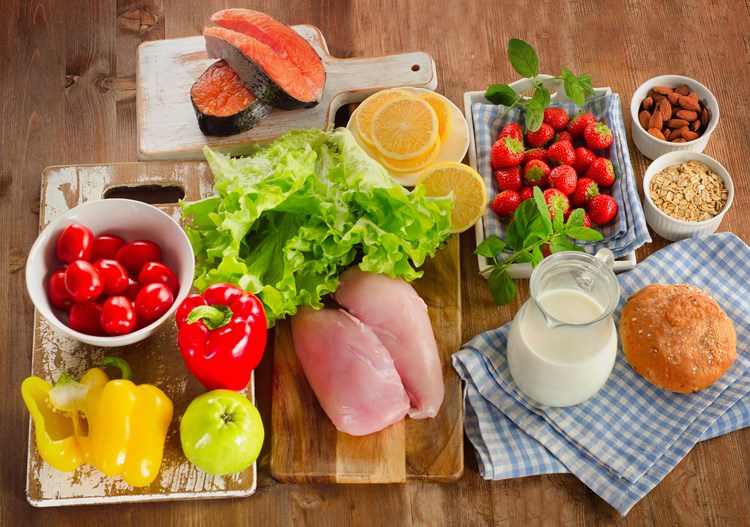
Inflammation is involved in a number of different diseases such as atherosclerosis, rheumatoid arthritis, heart disease, diabetes, Alzheimer’s disease and even cancer. As we all know, these conditions are prevalent in seniors, especially since our immune systems tend to weaken as we age. Research says that at least half of one’s plate should consist of vegetables and fruit at each meal. Choose healthy animal proteins like fatty fish (salmon) or lean poultry (boneless skinless chicken breast) and whole grains as your source of carbohydrates and starch to round out meals.
Make a point of avoiding added sugars and saturated fats and increasing the intake of omega-3 fatty acids and flavonoid-rich foods. Flavonoids are plant compounds that have shown anti-inflammatory, antithrombogenic, antidiabetic, anticancer and neuroprotective benefits. Dark berries, cocoa, tea, soy, citrus fruits, red wine and nightshade vegetables are just a few examples of ingredients that are high in these phytonutrients. A primarily plant-based diet will help promote immune function.
“Hide” Nutrients in Smoothies
Smoothies are a very useful vehicle for adding more fruit and vegetables into a person’s diet. They are very easy to make and digest and ingredients can be added to customize the nutrition content of each frozen drink. For example, spinach and kale are nutrient-dense ingredients that can be easily blended with fruits like oranges and apples. Although they may change the color of the beverage, leafy greens usually do not affect the taste of the final product. The possible combinations are limitless and can be customized to suit any palate and dietary requirements.
Promote Skin Integrity with Vitamins C and E
Lastly, don’t take dry, delicate skin lightly because it’s just a “sign of aging.” Be proactive and use vitamins E and C to help maintain skin integrity. Sunflower seeds, almonds and spinach are excellent sources of vitamin E, and bell peppers, cruciferous vegetables (broccoli, kale, cauliflower), and berries pack a great deal of vitamin C. Adequate hydration is crucial for improving skin elasticity and resilience as well. Skin that is in good shape won’t be damaged as easily, and injuries will heal much faster. This includes everyday bumps and scrapes around the house, incisions from surgery, and pressure ulcers. Don’t forget that eating to support your skin will have both cosmetic and health benefits!
How to Make Dietary Changes and Ensure They Stick
Making dietary changes can be challenging for anyone at any age, but it can be especially difficult for older adults with set eating habits that have evolved over many years. If your loved one needs to make dietary changes to improve their health, there are specific things that you, their caregiver, can do to help with the change.
Older adults can have trouble understanding and accepting the need for change, so it’s best to introduce new ideas gradually rather than all at once. Working towards a healthier diet in increments can make the overall change seem less overwhelming and painful. Try to share meals with your aging loved one as often as possible. You are not just making sure they eat their vegetables without dousing them in salt; you are also keeping them company. Meals are best enjoyed with other people, and seniors often eat better when they are not dining alone.
Dietary restrictions can also make a person feel singled out at mealtimes and gatherings. At family meals, don’t make a “special” plate for your loved one and something different for everybody else. If everyone is enjoying the same meal, then it helps reduce the stigma and makes these changes seem less drastic.
Diet Matters
It’s often difficult to understand why some people pass away at age a young age and others live well into their nineties. The body works in mysterious ways but being proactive at any age is key. I like to share a quote with my patients that I read at a hospital while I was still in college: “Medicine is sick care. Nutrition is health care.” People of all ages should consider this quote while striving to increase their own health and quality of life and that of their loved ones.
For specific information on seniors’ nutrient, vitamin and mineral requirements, consult the Daily Dietary Guidelines for Individuals Age 51 and Older.