
Many families are adamant about caring for loved ones with Alzheimer’s disease or other forms of dementia in the community for as long as possible. For those with adequate funds, a solid care plan and a robust care team, delaying placement in a long-term care facility (or even preventing it altogether) is sometimes a possibility. However, a great deal of thought must go into making a dementia patient’s home environment safe and secure.
Dementia caregivers must try to get inside their loved ones’ heads to anticipate concerns and potential dangers. Ultimately, it isn’t possible to modify a dementia patient’s symptoms or behaviors. Instead, their home environment must be modified not only to decrease physical hazards, but also to reduce the amount of stress that both the caregiver and care recipient experience. Symptoms and abilities are always changing, so the home must be adapted to meet increasing needs as the condition progresses. Anticipating and addressing physical and mental health risks goes a long way toward preventing accidents and caregiver burnout.
Securing or Eliminating Household Hazards
The first thing to do when modifying a home or apartment for a dementia patient is to limit access to hazardous areas and tools/equipment. Dangerous areas of the home typically include basements, garages and tool sheds.
Seniors living with dementia typically exercise increasingly poor judgement as their condition progresses, especially when it comes to differentiating between safe and unsafe circumstances. It’s important to lock doors that lead to areas containing tools, ladders, landscaping equipment, chemicals, fuel and cleaning supplies. Anything that could be potentially dangerous, even if used properly, should always be secured. Although these devices may not be effective for deterring all seniors, child-proof locks can be placed on cabinets and doorknob covers can be used on doors that provide access to areas that cannot be locked for practical purposes.
While dementia patients are not children and should not be treated as such, the basic safety precautions that caregiving families should take around their homes are similar to childproofing. If there’s any question whether something may pose risks, it’s best to err on the side of caution.
Ensuring Safety Inside the Home
While it makes sense to lock away power tools and cleaning supplies, it’s important to understand that even normal home furnishings can be problematic for some seniors. For example, most people only see rugs as home decorations, but caregivers often see floor coverings as hazards that can contribute to falls. Electric cords are another fall risk and should be placed against walls or hidden underneath furniture or carpeting.
Dementia patients may also experience vision complications. Depth perception and the ability to distinguish colors are often compromised as Alzheimer’s progresses. For example, many have difficulty seeing and understanding darkly colored objects. A black doormat may be perceived as large, deep hole in the floor. Contrasting colors can help seniors better perceive space and depth throughout their house. Sharply contrasting the colors of different elements in the home, such as flooring, furniture, bedding and window coverings, can help a patient navigate more safely.
Wandering is another serious concern for dementia caregivers, and it is particularly dangerous because there are usually no warning signs before the onset of this new behavior. Deadbolts placed near the top or near the base of exterior doors will help to ensure a senior doesn’t wander outside and become lost. However, securing exits in a way that your loved one may not be able to unlock can also be hazardous. It is crucial to develop an escape plan in the event of an emergency like a fire and ensure consistent supervision to prevent accidents.
Older adults tend to be extremely reluctant to change things in their homes, especially as it becomes more difficult for them to adapt to new surroundings. By using firm yet gentle explanations, caregivers may succeed in taking incremental steps toward improving home safety for their loved ones.
Bathroom Modifications for Dementia Patients
Bathrooms pose unique challenges for seniors and caregivers because they are typically composed of slick, hard materials and are relatively monotone in color. Falls are a serious concern, which is why installing grab bars on bathroom walls is strongly encouraged. These bars provide additional balance and support for both patients and caregivers while assisting with toileting and bathing.
Getting a dementia patient to bathe regularly can become an ongoing challenge for caregivers. Anxiety, discomfort, confusion and fear tend to be the underlying reasons why seniors begin neglecting their own personal care, but gentle assistance and the right senior care products like grab bars can help increase feelings of safety, confidence and modesty while showering and bathing.
Non-skid mats or other products for shower floors and bathtubs can provide added traction and help prevent slipping. Just ensure that these items will not shift or come loose and actually contribute to a person’s fall risk. In many cases, those who are afraid of falling or who tire easily may feel much more comfortable sitting on a shower chair while bathing. Handheld shower heads allow patients and caregivers to be more deliberate about when and where water is directed as well. Make sure that water temperatures are comfortable, and that water heaters do not exceed 120 degrees. If there are exposed pipes in the bathroom, be sure to cover them to prevent burns.
Again, using contrasting colors is especially important for helping seniors with low vision get around the bathroom and maintain their independence as much as possible. For example, a white toilet may be difficult to see in an all-white bathroom. A brightly colored toilet seat and lid or fabric lid cover can help older adults more easily navigate the bathroom.
Bedroom Modifications for Seniors with Alzheimer’s Disease
A senior’s bedroom should be an inviting, comfortable place for them to retreat to. Sleep issues are a common symptom of many kinds of dementia, so it is important to provide an environment that will help them get as much quality rest as possible.
Adequate lighting should be provided for easy reading or television watching. Some dementia patients may develop a fear of the dark, so a nightlight placed in their room may help. Proper lighting should be available during nighttime hours as well in case your loved one needs to get up and use the bathroom. Be aware that dim lighting may cast shadows that can be misinterpreted by dementia patients’ brains and trigger hallucinations, especially in seniors who are prone to sundowning.
In some situations, a caregiver may need to learn how to help a loved one use a bedpan, urinal or bedside commode if nighttime trips to the bathroom are too difficult or unsafe. Purchasing a quality waterproof mattress protector and a few sets of linens is a good idea if a senior occasionally has overnight incontinence episodes. A communication system should be established for nighttime needs as well. Many caregivers use an intercom-type system, baby monitor, security camera or even a bell to address calls for help with transfers, toileting, dressing and other needs.
Kitchen Modifications for Older Adults with Dementia
Along with bathrooms, the kitchen is another area of the home that poses many risks. Caregivers must keep a careful inventory of their loved ones’ cognitive abilities to ensure that the use of kitchen appliances (large and small) is safe under any circumstance, but close supervision is always highly recommended.
Removing electrical equipment or appliances from both bathrooms and the kitchen area will help to reduce the risk of electrical shock. To prevent accidents, knives and cooking implements should also be stored in a safe, secure location. Something as innocuous as a blender may cause injury to someone suffering from cognitive decline.
Be sure to check the contents of the refrigerator regularly. In many cases, people in various stages of Alzheimer’s may be unable to distinguish between fresh and rotten food, or their poor judgement may lead them to believe that expiration dates aren’t important. Dulling senses of smell, sight and taste may be to blame as well.
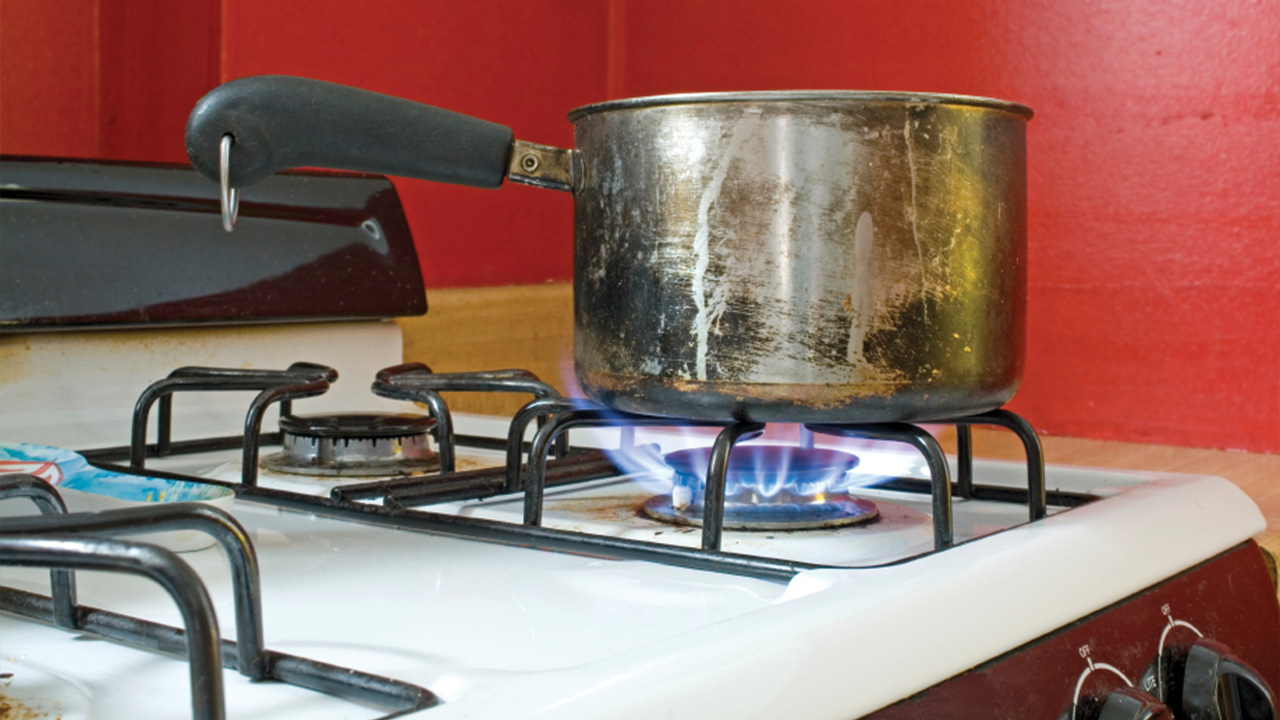
Larger cooking appliances can be temporarily disabled by removing knobs or installing hidden circuit breakers and gas valves to prevent dementia patients from using them without supervision. Open flames and food forgotten on burners and in the oven can easily start fires. Microwaves may seem like a safe option, but these appliances can pose risks, too. A can placed inside a microwave not only damages the appliance, but can also potentially cause an explosion or injury. Avoid keeping step stools or small ladders in the kitchen area as well to prevent falls and injuries.
For those with impaired vision, brightly colored plates, drinking cups, placemats and napkins often help entice patients to eat and help them choose the right utensils. Eating is actually a complex multi-step process that becomes overwhelming for many seniors with dementia. Smaller portions and easy-to-eat finger foods are better received by patients with moderate and severe Alzheimer’s disease.
Living at Home with Dementia
Daily life can be incredibly stressful for dementia patients and caregivers alike, but through careful planning, many worries and potential dangers can be anticipated and addressed. Creating a safe living environment will help ensure that seniors with Alzheimer’s disease are able to remain in their homes as long as possible. If needed, an occupational therapist can provide further recommendations for products and home modifications that are tailored to meet a loved one’s unique needs.
However, nothing can replace the need for careful supervision of dementia patients. Even with the best planning and detailed home adaptations, it is still possible for seniors to injure themselves under a caregiver’s watchful eye. Furthermore, it is impossible for one dementia caregiver to provide 24/7 supervision by themselves without jeopardizing their own physical and mental health. At some point, a move to a long-term care facility such as a memory care unit or a skilled nursing facility may be necessary to ensure a loved one’s safety.