Experts
AgingCare is strengthened by our team of more than 30 nationally recognized experts who are committed to delivering top-level content and professional guidance based on industry expertise.
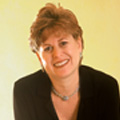
Abbie Sladick Certified Aging Specialist
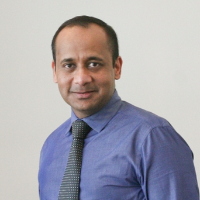
Dr. Abhijit Shinde Medical Director, Aayu Clinics
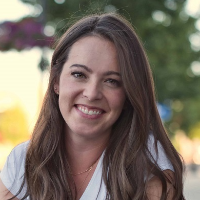
Adria Thompson Speech language pathologist, dementia educator
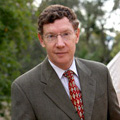
Dr. Allen Weiss President and CEO, NCH Healthcare System
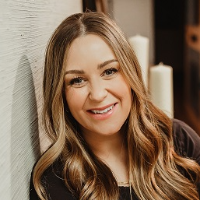
Amanda Lundberg Registered nurse
Amy Osmond Cook Executive Director of the Association of Skilled Nursing Providers
Bruce B. Rosenblatt Owner, Senior Housing Solutions
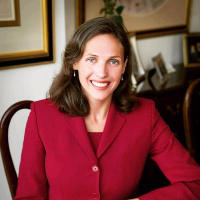
Buckley Anne Kuhn Fricker, JD, GCM Elder Law Attorney, Geriatric Care Manager
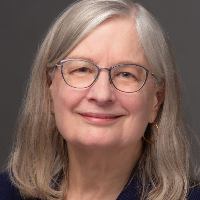
Carol Bradley Bursack, CDSGF Author, speaker, columnist and eldercare consultant
Carrie Kerskie Author, speaker and identity theft expert
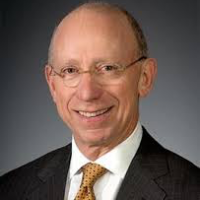
David A. Cutner Founder, Founder Lamson & Cutner Elder Law & Estate Planning
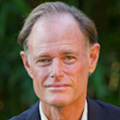
Dr. David Perlmutter Neurologist, best-selling author
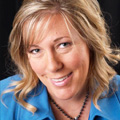
Deanna Lueckenotte Alzheimer’s book author, consultant
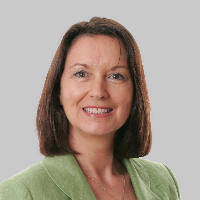
Dianne Stephens Senior Living Advisor, APFM
D
Donna K. Woodward Certified Nursing Assistant
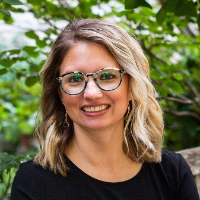
Erin Martinez, Ph.D., CFLE Associate professor of gerontology, Kansas State University
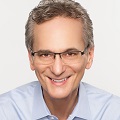
Dr. Gary Small Director, UCLA Longevity Center
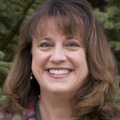
Dr. Helen Kales Director of the Program for Positive Aging
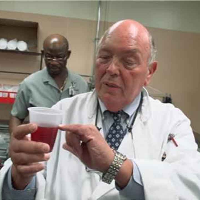
Howard Rosenberg Director of Dining Services, Amsterdam Nursing Home
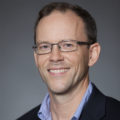
Jean Gruss Principal, Gruss Communications
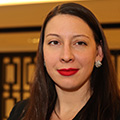
Jennifer Leeflang Senior Vice President, Partners in Care
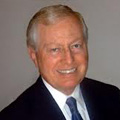
Dr. John Connolly President and CEO, Castle Connolly Medical
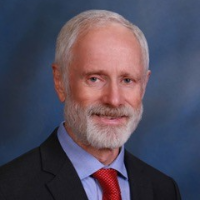
John L. Roberts Certified Elder Law Attorney
Jon P. Beyrer Certified Financial Planner, EA
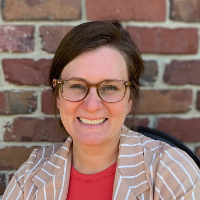
Jordan McCoy Licensed Independent Mental Health Practitioner
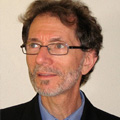
K. Gabriel Heiser Attorney, author, Medicaid asset protection planning
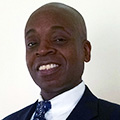
Dr. Keith Washington Author, adult education advocate
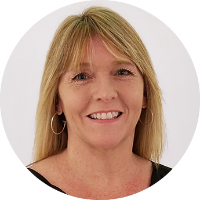
Kim Barnett, MSW MSW, LCSW
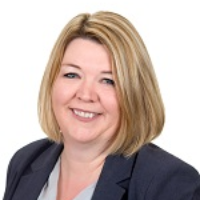
Kim English, RN, BScN, MN Professor, Trent/Fleming School of Nursing
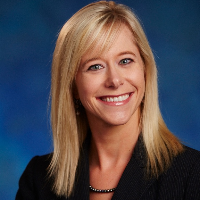
Lacy Robinson, CFSP Director of Member Development, National Funeral Directors Association
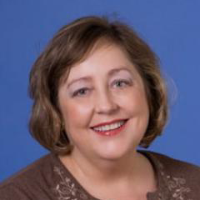
Laura M. Struble, PhD, GNP-BC Gerontological Nurse Practitioner
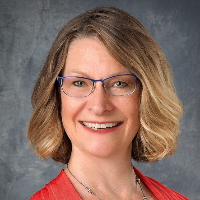
Leslie Fuller, LMSW, CDP Senior care expert
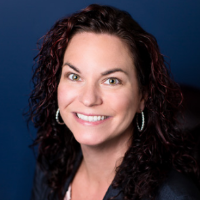
Letha McDowell Certified Elder Law Attorney
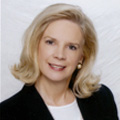
Lynn Harrelson R.Ph., FASCP. Senior Pharmacy Solutions
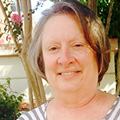
Margaret Johnson Ware Independent Consultant, MyMedicareMatters.org
M
Michael Ferraina Home health care executive
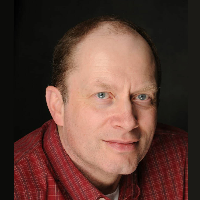
Michael Lewis Managing Editor, The National Notary Association
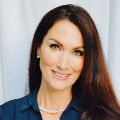
Michelle LaForme Occupational Therapist, Certified Aging in Place Specialist
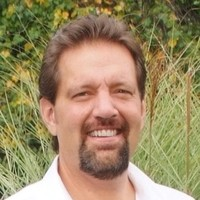
Mike Campbell Senior Care Advisor
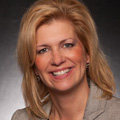
Molly Lindell Licensed funeral director, Dignity Memorial
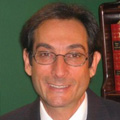
Ralph Robbins, CFP® Certified Financial Planner
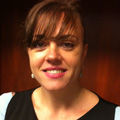
Renata Gelman Assistant Director of Clinical Services, Partners in Care
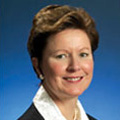
Rosanne Rogé Certified financial planner, geriatrics
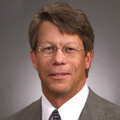
Ross Blair President and CEO, eHealth Medicare
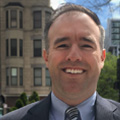
Ryan Smolek Vice President Marketplace Operations
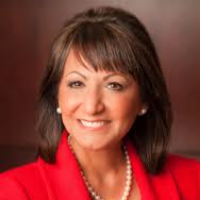
Samira K. Beckwith LCSW, FACHE, President and CEO Hope Hospice
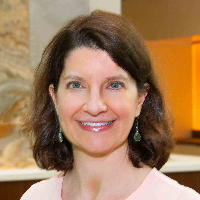
Sharona Hoffman, JD, LLM, SJD Professor, Case Western Reserve University School of Law
Sheri Samotin President, LifeBridge Solutions
Stephanie Erickson Director and Founder, Erickson Resource Group
Sue Maxwell, MSW Director, Gerontology, Lee Memomorial
Susan Levy, MD Geriatrician
Susan Ruff Senior Living Expert
Teepa Snow Occupational therapist, dementia education specialist
Todd Austin President and COO of Home Care Pulse
Vicki Demirozu Home care consultant

Vik Rajan, MD President, Houston Patient Advocacy