
The days are getting warmer and longer, inspiring people to get outside and enjoy the sunny weather by barbecuing or going on picnics.
Even if your elderly loved one isn't able to take part in traditions like cookouts or bustling holiday parties, you can use food to help them feel connected to seasonal celebrations. Many popular summer foods are both tasty and nutritionally dense, offering the added benefit of helping a senior get the vitamins and nutrients they need to remain healthy.
Below are some popular summer treats that may offer unexpected health benefits for you and your loved one. Ruth Frechman, MA, RDN, CPT, registered dietician and recent spokeswoman for the American Academy of Nutrition and Dietetics, offers her perspective on how these iconic foods can be both tasty and nutritious for seniors.
Senior-Friendly Barbecue Basics
Watermelon
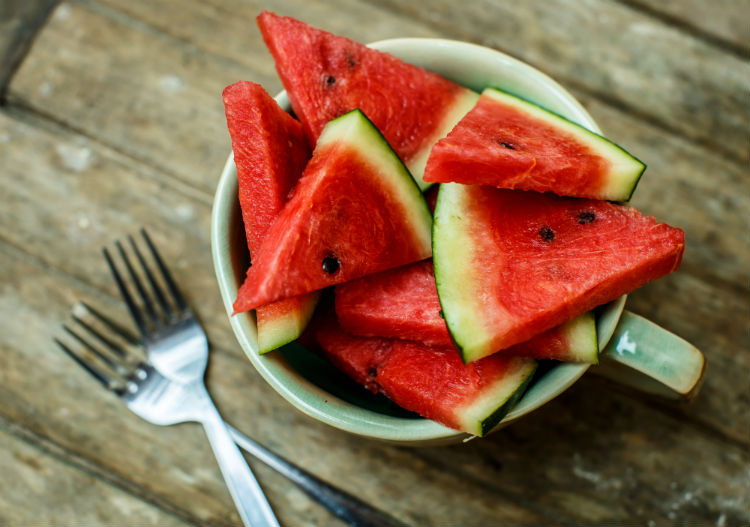
Synonymous with summer, this juicy fruit is not only low in fat, but it also contains a staggering amount of nutrients seniors need. Pound for pound, watermelon has more lycopene than any other fresh fruit or veggie. Also found in tomatoes, lycopene is an antioxidant that has been shown to combat certain forms of cancer and heart disease.
Watermelon is also packed with potassium, which can be a boon for seniors suffering from potassium deficiency, or hypokalemia. According to the National Institutes of Health, hypokalemia in seniors can sometimes be brought on by certain heart and blood pressure medications and can cause problems with heart and muscle function. Watermelon also has a high water content and contains significant amounts of vitamins A, C and B6.
Spices
Seasoned sauces and rubs are the cornerstones of a delicious warm weather cookout. Spices can serve the dual purpose of making food more flavorful for seniors whose senses of taste and smell have diminished, as well as helping them fight off disease.
Spices have numerous potential health benefits. For example, turmeric contains active plant compounds called curcuminoids that have been shown to be beneficial in fighting off diseases such as Alzheimer's, Parkinson's and cancer. Cinnamon can help people with type 2 diabetes control their blood sugar, total cholesterol and triglycerides. Get creative with your seasonings this summer by incorporating spices like ginger, cumin, saffron, nutmeg, cayenne pepper, and paprika into your recipes.
Deviled Eggs and Egg Salad
Sometimes forgotten as a member of the protein portion of the recommended daily food groups, eggs are a good source of protein and contain many essential vitamins and minerals, including vitamins A, D, E, B6 and B12. And, it's not just egg whites that contain health benefits. According to Frechman, egg yolks contain choline, lutein and zeaxanthin—several nutrients that are essential for good eye health. These nutrients are very important for seniors since they help prevent age-related eye diseases like macular degeneration and cataracts.
Try swapping out the mayonnaise with Greek yogurt for a tangier, low-fat spin on classic egg recipes like egg salad and deviled eggs. As a traditional holiday and entertaining food, deviled eggs may evoke fond memories of family celebrations. If your loved one is still able to help in the kitchen, they may enjoy piping in the egg yolk mixture and garnishing the finished product with a sprinkle of paprika and fresh herbs.
Iced Tea
Whether you opt for black, green, white, or oolong tea, a cool glass is a refreshing way to help fend off summer heat as well as the damage of free radicals. The compounds in tea have been found to reduce the risk of heart attack, stroke, and cardiovascular disease, boost immune function, possibly fend off various types of cancer, and even provide neuroprotective benefits. Just be sure to go easy on the sugar or enjoy it unsweetened. Fresh herbs and fruit are at their peak during the warmer months, and they can be added to a pitcher of tea for a natural and flavorful twist in lieu of sweeteners.
Coleslaw
No summer meal or get together is complete without a bowl of crispy, colorful slaw. Some like it tart, while others enjoy sweet or creamy versions. Regardless of which your loved one prefers, coleslaw is an excellent source of dietary fiber and an easy way to include a number of different vegetables in their diet.
Cabbage is the primary ingredient in most coleslaw recipes, and this cruciferous vegetable is rich in vitamins C and K as well as cancer-fighting antioxidants. It also aids in reducing inflammation in the body. Shredded carrot is another nutrient-dense ingredient in coleslaw, but a number of other healthy summer vegetables can be incorporated into your recipe. Try adding shredded red cabbage, broccoli stalks, radishes, bell peppers, brussels sprouts or jicama. Some people even use apples in their slaw! The possibilities are endless. If the creamy variety is your go-to, try to keep the mayonnaise to a minimum by substituting some plain greek yogurt for additional health benefits.
Healthful Summer Snacks for Seniors
Popcorn
Popular summer pastimes include going to the movies or attending a baseball game. Popcorn has been a staple at cinemas and ballparks for years, but it often gets a bad rap for being unhealthy. If you forgo the extra salt and butter, recent research indicates that popcorn may actually have health benefits.
Researchers have found polyphenols—a group of beneficial antioxidants—to be more plentiful in popcorn than certain fruits and vegetables. Popcorn is also a whole grain and an excellent source of dietary fiber for seniors. If you stay in to watch a classic movie or catch a ball game on TV, try air-popping your own snack. Place a few tablespoons of kernels in a paper lunch bag, fold the top over and microwave for a few minutes until the popping is a few seconds apart. Making your own popcorn allows you to choose which seasonings and how much of them to use on this healthier version of the treat.
Party Dips
Perennial components of popular party dips, tomatoes and avocados can offer seniors a wide array of healthy nutrients. Salsa comprised of tomatoes, onions, peppers and other vegetables can provide an elderly person with part of their daily recommended vegetable intake, as well as antioxidants such as lycopene. Avocados, the main component of guacamole, are high in “good” fat, vitamin E, iron and potassium, all of which deliver a host of health benefits to seniors. Hummus is another tasty dip that packs a nutritious punch. With chickpeas as the main ingredient, hummus is high in protein, dietary fiber and folate. Use any of these nutrient-dense dips to dunk veggies in or to add health benefits to a favorite summertime meal.
Frozen Treats
Nothing says summer like a popsicle or an ice cream cone. While both tend to be high in sugar, it’s okay to indulge in a sweet treat every once in a while—especially if it’s made with real ingredients. Ice cream certainly doesn’t have a reputation as a health food, but it boasts decent amounts of calcium and phosphorous, which are crucial for maintaining healthy bones. And don’t shy away from ice cream because of the fat content, either. Studies show that people who eat full-fat dairy tend to be slimmer than those who eat low-fat versions.
If dairy isn’t an option for your loved one or they’d prefer something fruit-based, try a fruit bar. Grab some popsicle molds (or some paper cups and craft sticks) and try making your own. Use a mix of your loved one’s favorite fresh fruit and a splash of juice. You can even blend the fruit with some Greek yogurt for a creamy version. Regardless of what kind of chilled goodies you and your loved one choose, just be sure to keep your serving sizes sensible.