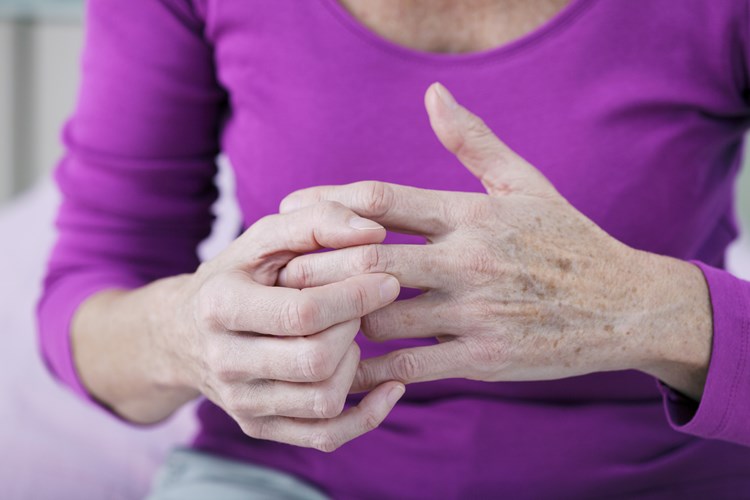

Forty million people nationwide suffer daily with pain and disability from arthritis or its complications. Arthritis is a joint disorder featuring inflammation that is frequently accompanied by joint pain. But treating arthritis is possible.
There are more than 100 types of arthritis. Common arthritis symptoms of inflammation, pain, and stiffness are usually caused by degenerative arthritis (osteoarthritis). Other types of arthritis include rheumatoid arthritis and gout. No matter which type of arthritis your loved one has, an accurate diagnosis is needed before the doctor can recommend a program for treatment.
Although there is no cure for most forms of arthritis, there are many options for treating arthritis. The choice of arthritis treatment depends on the type of arthritis, the severity of symptoms, the patient's general health, and other factors.
Over time, you may have to try several different treatments and medications. However, finding the best treatment can be a long process, because it involved trial and error until the right treatment is found.
Each kind of arthritis is handled a little differently, but there are some common treatments for arthritis. Rest, exercise, eating a healthy, well-balanced diet, and learning the right way to use and protect the joints are key to living with any kind of arthritis.
Heat and Cold
Some people find relief in applying either heat or cold, or both, sequentially. Apply either heat or cold for only 15 minutes at a time. For heat, use warm towels, hot packs, or a warm bath or shower, or hot water bottles.
For people who have morning stiffness, using a heating pad before they get up can help. Or they can take a warm shower when they first get out of bed.
Cold helps numb the painful area and be helpful for especially painful and swollen joints. Use an ice pack (sold at pharmacies and supermarkets) – or a bag of frozen peas or corn can be molded to the shape of the body.
Avoid Excess Stress on Joints
Assistive devices can make tasks at home and work easier. Look for kitchen items such as rubber jar openers and reachers; dressing tools like zipper pulls and buttoning aids and bathroom devices such as tub bars and handrails.
Medication
In addition, there are also medicines that can help with the pain and swelling. Acetaminophen can safely ease arthritis pain. Some NSAIDs (nonsteroidal anti-inflammatory drugs), like ibuprofen and naproxen, are sold without a prescription.
Other NSAIDs must be prescribed by a doctor. But in 2005, the U.S. Food and Drug Administration (FDA) warned people about the possible side effects of some NSAIDs, both those sold with or without a prescription. Caregivers should be sure to read the warnings on the package or insert that comes with the drug. Talk to your doctor about if and how your elderly mom or dad should use acetaminophen or NSAIDs for arthritis pain. You can also check with the FDA for more information about these drugs.
Over-the-Counter Creams
For mild arthritis pain, an over-the-counter cream or non-prescription analgesic may help temporarily relieve pain. They generally have a combination of ingredients which includes capsaicin, which is the ingredient in chili peppers that makes them hot. When applied to the skin, these creams deplete a pain neurotransmitter called substance P. This temporarily desensitizes the area to pain. The relief from these creams is temporary and the product must be reapplied regularly.
Supplements
Glucosamine and chondroitin sulfate may help relieve symptoms. The reason Glucosamine Glucosamine chondroitin MSM are chemicals that are found naturally in the body, and strengthens cartilage around the joints.
Also, stock up on calcium. Inflammatory arthritis conditions accelerate bone loss, so getting the optimum calcium intake is critical. Recommended daily doses of calcium are 1,200 mg for adults over 50.
Exercise
Exercise is one of the best treatments for arthritis. It can decrease pain and increase flexibility. Daily exercise, such as walking or swimming, helps keep joints moving, lessens pain, and makes muscles around the joints stronger.
A well-rounded workout routine for people with arthritis includes:
- Range-of-motion exercises, like dancing, relieve stiffness, keep your parent flexible, and help keep them moving their joints.
- Strengthening exercises, such as weight training, will keep or add to muscle strength. Strong muscles support and protect the joints.
- Aerobic or endurance exercises, like bicycle riding, make the heart and arteries healthier, help prevent weight gain, and improve the overall working of your parent's body. Aerobic exercise also may lessen swelling in some joints.
Weight Loss
Excess weight puts more pressure on joints, causing more pain. That is why losing weight can help and is another reason why exercise is important for arthritis patients, as exercise helps with weight control.
Shoes
The feet are more susceptible to arthritis than other parts of the body because each foot has 33 joints than can be afflicted. Placing wedges or insoles in the shoes may reduce pain in the knees while walking, Wedges on the bottom or sole of the shoe will alter the gait to reduce the forces transmitted to the knee joint. Wedges and insoles can be purchased at most drugstores or supermarkets.
The more support a shoe has, the more it will protect the joints and provide shock absorption. Avoid styles like mules or slip-ons, which offer no support. Also look for rubber soles, because they provide more cushioning.
Surgery
Your doctor may suggest surgery when damage to the elder's joints becomes disabling or when other treatments do not help with pain. Surgeons can repair or replace these joints with artificial (man-made) ones. In the most common operations, doctors replace hips and knees.
Talk to Your Doctor
Most importantly, do not take for granted that your aging parent's pain and arthritis are just part of growing older normally. You and your doctor can work together to safely lessen the pain and stiffness that might be troubling your parent and to prevent more serious damage to the joints.