
Fatigue is a common complaint among caregivers. The stress of a hectic lifestyle, giving so much to others and not taking care of yourself as well as you should manifests in physical, mental or emotional overexertion.
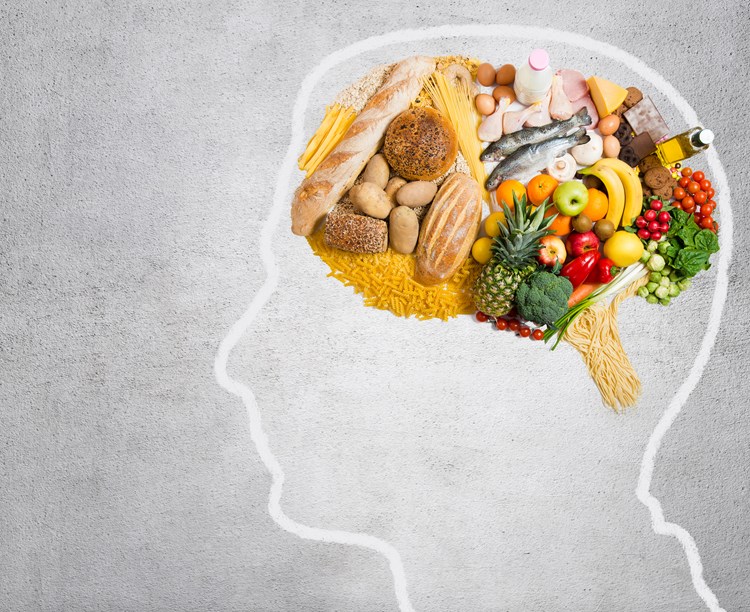
One key to keeping energy levels high all day is maintaining a good diet. After all, you are what you eat! The foods you choose to eat have a critical impact on how energetic you feel. But beware. That morning cup of coffee (or two…or three) or that candy bar for a mid-morning snack may give you a temporary burst of energy, but the crash afterward leaves you feeling even more tired, fatigued and lethargic.
The trick is to choose foods that release energy more slowly and give you a gradual boost of long-lasting energy. Stay away from high-glycemic foods that deliver an immediate, short-lived boost but leave you feeling sluggish and tired.
How do caregivers ensure they get the nutrition they need to keep up with their busy lifestyle, with energy throughout the day?
The Forgotten Meal
You've heard it before: Breakfast is the most important meal of the day. Most people dash off to work or start their caregiving duties without a thought to their body's dietary needs. Who has time to eat in the morning anyway? The morning rush we all experience makes breakfast an easy meal to forget. But if you are skipping breakfast and find you are tired by midmorning, then it's time to re-evaluate that eating habit.
Even if you don't have time to cook in the morning, a quick "meal-on-the-go" is better than no breakfast at all. Some "grab-and-go" choices for caregivers on the move:
- Whole grain bagel with cheese
- Cereal with fruit and yogurt
- Whole-grain toast with peanut butter and fruit
- Oatmeal with raisins
Carbohydrates Get A Bad Rap
Carbohydrates are the body's preferred source of energy. Carbohydrates are basically sugars, which, despite their bad rap are essential for good health. In fact, carb energy is very much essential for a human body so that it is able to perform and withstand various tasks. Our bodies are capable of breaking down carbohydrates very quickly and with efficiency.
So why do carbs have such a bad reputation? There are good carbs and bad carbs. The good ones are essential for good health and high energy. Good carbohydrates are the foods which have neither been processed, nor or they altered either by human being or machines.
To make the most of "carb" energy, eat a combination of complex and simple carbohydrates. Most of the carbs you eat should be complex carbohydrates, which are slow burning. Foods such as:
- Whole grains
- Starchy vegetables such as potatoes, squash, pumpkin, and carrots
- Beans
- Nuts
- Grain cereals and grain breads
Refined and processed foods are "bad carbohydrate" foods. Bad carbs are found in processed foods that aren't in their natural state. Nutrients have already been removed from this kind of food. Generally bad carbohydrates are added with lots of additives. These additives may be in the form of colorings, flavorings and preservatives. Bad carb foods are, unfortunately, the foods most people love the most:
- White rice
- White bread
- Pasta
- Candy
- Baked goods
- Soda
By choosing good carbs over bad, you will see a noticeable increase in your long-term energy and endurance.
Fat: Another Nutrient with A Bad Reputation
Fat has also gotten a bad reputation – and for good reason. Too much of the "bad" fats are associated with heart disease, cancer and some chronic illnesses. The right types of fat in the right amounts, however, can make food taste good, and is a concentrated source of energy. Here's a primer on fats:
The Good Fat
Monounsaturated Fats - Nuts including peanuts, walnuts, almonds, pistachios, and avocado as well as canola and olive oil.
Polyunsaturated Fats - Seafood like salmon and fish oil, as well as corn, soy, safflower and sunflower oils are high in polyunsaturated fats.
The Bad Fat
Trans fat – packaged foods, candy, commercially fried food such as french fries, packaged snacks such as microwave popcorn
Saturated fat - butter, lard, and cream, coconut and palm oil
Pack In the Protein
Protein maintains cells, assists in growth, transports hormones and vitamins, and preserves lean muscle mass. Protein also strengthens the immune system. So replenishing the body's source of the nutrient is very important. Good sources of protein include:
- Meat
- Poultry
- Fish
- Eggs
- Beans
- Nuts
- Low-fat dairy products
When we eat these types of foods, our body breaks down the protein that they contain into amino acids (the building blocks of proteins).
Never Underestimate the Power of Water
Fatigue is often a sign of dehydration because the body depends on water to distribute and make use of iron and other fatigue-fighting nutrients throughout the body. Water is an essential ingredient in the production of energy molecules.
Your body needs water to regulate body temperature and to provide the means for nutrients to travel to all your organs. Water also transports oxygen to your cells, removes waste, and protects your joints and organs.
The Institute of Medicine recommends that women get about 11 cups of water from food and drink each day, and men get about 16 cups daily.
Feed the Fatigue
Feeling tired with no energy makes it hard to get through the day, but simple changes in your diet, including choosing energy-boosting foods, can make a big difference.