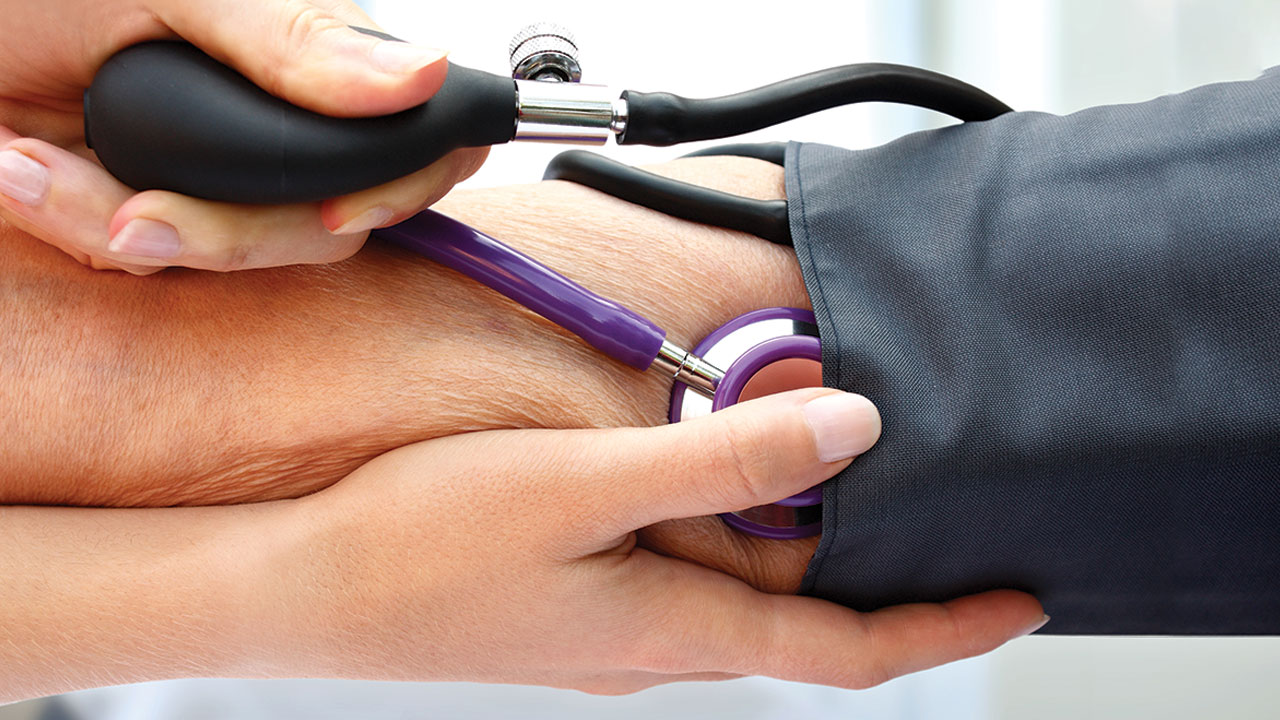

According to the American Heart Association, a reading of 130/80 mmHg or higher constitutes high blood pressure (HBP), also known as hypertension. Nearly half of American adults have high blood pressure, and once it develops, it usually lasts a lifetime.
High blood pressure is called the silent killer because it typically presents with no noticeable symptoms. Some people may not find out they have it until they begin experiencing serious problems with their heart, brain or kidneys. The good news is that medication and lifestyle changes can help lower blood pressure and keep it under control.
What Is Blood Pressure?
Blood pressure (BP) is the force of the blood pushing against the walls of the arteries as it circulates throughout the body. This pressure is highest when the heart beats, pumping the blood. This is called systolic pressure. When the heart is at rest between beats, blood pressure falls. This is known as the diastolic pressure.
Blood pressure is always given in the form of two numbers with one written over the other like a fraction. The systolic pressure is the upper number and the diastolic pressure is the lower number. Both these measurements are important. For example, a person’s BP reading may be 120/80 mmHg. Millimeters of mercury (mmHg) is the unit used to measure pressure. For this reading, you would read the blood pressure as “120 over 80.”
Blood Pressure Numbers and What They Mean
Blood pressure naturally fluctuates throughout the day, but it is lowest when you are sleeping. It can also rise when you are excited, nervous or active. For most waking hours, though, BP stays relatively stable and should be lower than 120/80 mmHg.
In general, lower numbers are better, but very low BP can also be a cause for concern. Consistent readings in the elevated or “prehypertension” range increase the likelihood that hypertension will develop unless preventative actions are taken. Individuals of any age who have chronic kidney disease and/or diabetes should pay close attention to their BP.
Table 1: Adult Blood Pressure Chart
Classifications | Systolic Pressure |
| Diastolic Pressure |
Normal | Less than 120 | and | Less than 80 |
Elevated | 120-129 | and | Less than 80 |
Stage 1 Hypertension | 130-139 | or | 80-89 |
Stage 2 Hypertension | 140 or higher | or | 90 or higher |
Hypertensive Crisis (call 911) | Higher than 180 | and/or | Higher than 120 |
Blood Pressure Guidelines for Seniors
The guidelines above are for the general population, but older adults’ health needs and benchmarks differ from those of younger individuals in many ways because our bodies function less efficiently with age. While 130/80 mmHg is the generic threshold for starting BP medications, there have been many disagreements among medical professionals regarding the threshold for older adults. Age, frailty and other comorbidities like diabetes and chronic kidney disease complicate this matter even further.
The Eighth Joint National Committee (JNC 8) issued new blood pressure guidelines for seniors in 2014 recommending that individuals over age 60 aim for a reading below 150/90 mmHg. The JNC 8 recommendation for patients of any age with diabetes or chronic kidney disease is to aim for BP readings below 140/90 mmHg. These are not hard and fast rules, though, because each senior’s health needs are unique.
A few years after the JNC 8 report, the American College of Cardiology (ACC) and the American Heart Association (AHA) published Beyond the 2017 Guideline for the Prevention, Detection, Evaluation, and Management of High Blood Pressure in Adults. In this report, the ACC and AHA advocate more aggressive treatment for hypertension. The ACC/AHA report advises pharmaceutical treatment of hypertension for noninstitutionalized ambulatory adults 65 years of age and older who have an average systolic blood pressure over 130 mmHg. The treatment goal for this population is less than 130 mmHg. However, for adults 65 and older who have hypertension combined with other serious comorbidities and/or a limited life expectancy, the ACC/AHA recommends a comprehensive risk/benefit analysis involving both physicians and patients when devising personalized plans of treatment.
Table 2: ACC/AHA 2017 Blood Pressure Thresholds and Targets for Seniors
| Senior Age Classification | 65+ |
| BP Threshold for Pharmaceutical Treatment | ≥130/80 mmHg |
| BP Target | <130/80 mmHg |
“We do want to treat high BP, because it reduces the chance that an individual will have a stroke or experience heart problems,” Dr. Leslie Kernisan acknowledges. “However, clinical studies have shown that treating high BP is most beneficial when it helps people get their systolic BP [the top number] down around 150. “The JNC 8 guidelines support what we geriatricians have believed for quite some time: many older adults are taking too much BP medication,” admits Dr. Kernisan.
In geriatrics, the goal is to balance the likely benefits of a medication with the likely burdens and risks. "The goal of 150 (when compared to the AHA's target 130) may seem high, but treating to a target of less than 150/90 brings on increased risks and may not offer additional benefits.”
In addition to increasing an elder’s prescription drug costs and compounding the potential for medication mishaps, unnecessary BP medications can cause risky side effects in seniors. Orthostatic hypotension, or a temporary drop in BP upon standing, is one of the most dangerous side effects since it can cause dizziness and contribute to falls.
Discuss any concerns you may have about a senior’s BP with their physician or, better yet, a geriatrician who specializes in treating older adults. They will be able to weigh the pros and cons of beginning or adjusting BP treatment and possibly suggest alternative measures for trying to get their numbers under control.
What Causes High Blood Pressure?
BP rises naturally as we age. In many seniors with high blood pressure, a single specific cause is not known. This is called essential or primary high blood pressure. Research is ongoing to find the causes of essential HBP.
In some people, high blood pressure is the result of another medical problem or medication. When the direct cause is known, this is called secondary high blood pressure.
High Blood Pressure Risks
Men over age 45 and women over age 55 who are overweight or have a family history of HBP are at the highest risk of developing hypertension.
Several lifestyle factors can raise blood pressure as well. These include:
- Eating too much salt
- Drinking too much alcohol
- Not consuming enough potassium
- Not doing enough physical activity
- Taking certain medicines
- Exposure to long-term stress
- Smoking
Complications of High Blood Pressure in the Elderly
High blood pressure causes the heart to work harder. Therefore, arteries take a beating and the chances of stroke, heart attack and kidney problems increase. When high blood pressure is left undiagnosed and untreated, it can cause:
- Enlargement of the heart, which may lead to heart failure.
- Small bulges in blood vessels called aneurysms. Common locations for aneurysms are the main artery from the heart (aorta), arteries in the brain, legs, and intestines, and the artery leading to the spleen.
- Blood vessels in the kidneys to narrow, which may cause kidney failure.
- Hardening of the arteries, especially those in the heart, brain, kidneys and legs. This can lead to a heart attack, stroke, kidney failure or amputation of part of the leg.
- Blood vessels in the eyes to burst or bleed, which may cause vision changes and can result in blindness.
How to Take a Senior's Blood Pressure Measurements
People can have HBP for years without knowing it. Along with checking other vital signs, taking a BP measurement with a blood pressure cuff and stethoscope or an electronic sensor is common practice at the beginning of most medical appointments.
If a patient’s readings are high, most doctors will recheck their blood pressure several times on different days before making a treatment determination. A diagnosis is given if repeated readings are elevated.
Measurements should be taken when a patient is relaxed and sitting upright with both feet flat on the floor. Caregivers can use these tips to help ensure their loved ones receive accurate readings:
- Do not let the senior drink coffee or smoke cigarettes 30 minutes before BP measurements are taken.
- Remind them to wear short sleeves.
- Encourage the senior to use the restroom beforehand.
- Allow them to sit and rest for 5 minutes before the test.
Some people’s blood pressure is elevated only when they visit the doctor’s office. This condition is called “white coat hypertension” and occurs when patients experience even minor anxiety in clinical settings. If the doctor suspects this, you may be asked to check and record your elder’s blood pressure at home using a home device or an ambulatory blood pressure monitor (ABPM). An ABPM is worn for 24 hours and can take reliable blood pressure readings approximately every 30 minutes. In 2019, the Centers for Medicare & Medicaid Services (CMS) expanded coverage of ABPM to increase access to diagnostic testing for high BP and improve Medicare beneficiaries’ cardiovascular health.
If you must check your loved one’s blood pressure at home, it is important that you work with their doctor to choose an approved device and learn how to use it properly. BP monitors can be bought at durable medical equipment (DME) stores and pharmacies, but they typically are not covered by Medicare.
How to Treat High Blood Pressure in the Elderly
Lifestyle Changes
Some people can prevent or control high blood pressure by embracing healthier habits and making lifestyle changes. The following objectives can help seniors manage their BP:
- Follow a heart-healthy diet, which includes reduced salt intake and increased consumption of fruits, vegetables, and low-fat dairy products.
- Lose excess weight and maintain a healthy weight.
- Engage in regular physical activity.
- Quit smoking.
- Limit alcohol consumption.
Sometimes blood pressure remains elevated, even when a person makes healthy lifestyle changes. In that case, taking prescription medication to help lower BP may be necessary. Medicines will control the condition and help prevent further complications, but they cannot cure it.
Anti-Hypertensive Medications
There are several pharmaceutical options for treating hypertension, and each one works in a different way to lower blood pressure. Often, a combination of two or more medicines works better than one. The following medications are commonly prescribed for the treatment of HBP.
- Diuretics are often called “water pills.” They work by helping the kidneys flush excess water and salt from the body. This reduces the amount of fluid in the blood, thereby lowering blood pressure. A diuretic is often used in conjunction with another type of medicine, and this dual treatment option may be available in a single combined pill.
- Beta-blockers help the heart beat slower and with less force. The heart pumps less blood through the blood vessels and pressure decreases.
- Angiotensin-converting enzyme (ACE) inhibitors keep the body from making a hormone called angiotensin, which causes blood vessels to narrow and elevates BP. ACE inhibitors prevent this narrowing and reduce stress on the heart.
- Angiotensin II receptor blockers (ARBs) are a newer type of medicine. Instead of preventing the formation of angiotensin (like ACE inhibitors), ARBs block the hormone from working in the body. ARBs are usually prescribed for patients who do not tolerate ACE inhibitors well.
- Calcium channel blockers (CCBs) prevent calcium from entering the muscle cells of the heart and blood vessels, causing the vessels to relax and blood pressure to decrease.
- Alpha-blockers relax muscles in the blood vessel walls, allowing blood to pass more easily and causing blood pressure to go down.
- Alpha-beta blockers combine the effects of alpha- and beta-blockers described above.
It is important for caregivers to ensure seniors take their blood pressure medication(s) at the same time each day and do not skip doses or cut pills in half to save money. If you have any questions or concerns about your loved one’s condition or medications, do not hesitate to speak with their doctor.