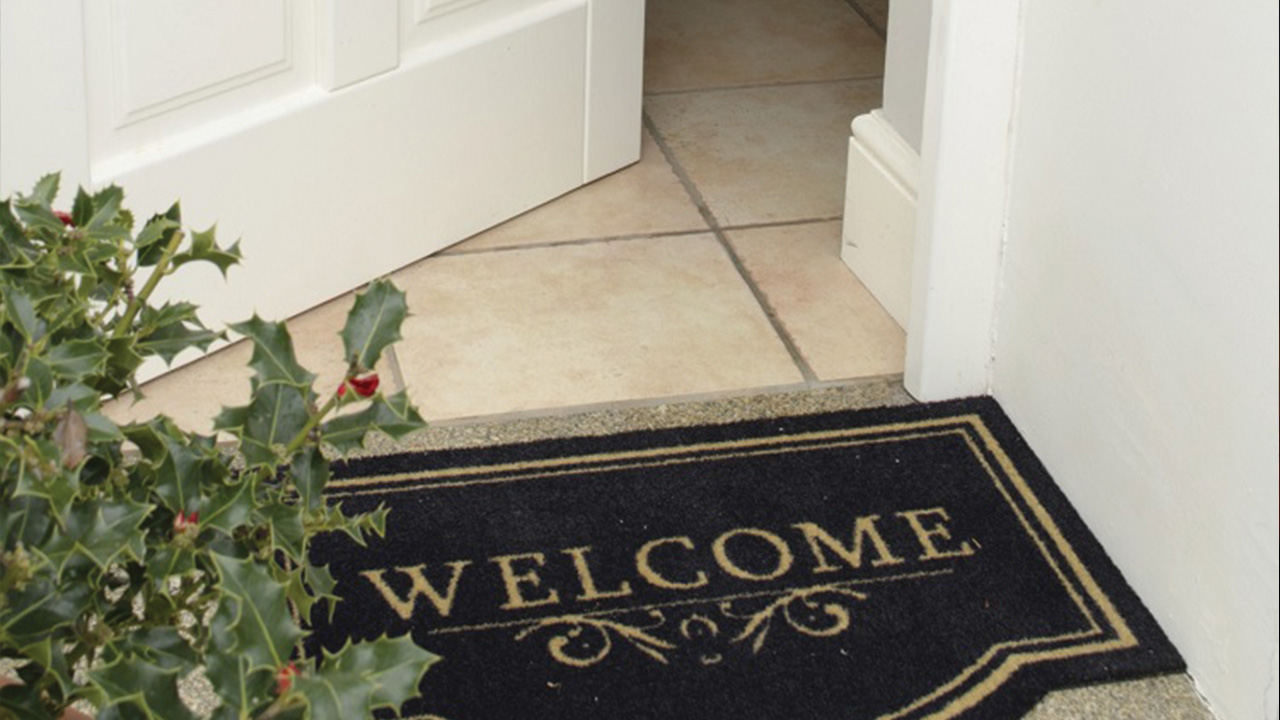

Most homes are built for the needs and preferences of active adults. Often, they are unsuitable, even dangerous, for older adults and individuals with functional disabilities. In most cases, universal design features can be applied to a new or existing home to create a safe and comfortable environment that promotes independence and allows a senior to age in place. These changes can also make it easier and safer for family caregivers to assist their elderly loved ones.
What Is Universal Design?
Architect and educator Ronald L. Mace first coined the term universal design: the concept that ideally all designs (products, technologies, buildings and environments) should be aesthetic and usable by the broadest range of people, regardless of their individual levels of ability or mobility, age, gender, or physical stature.
Universal design is often confused with other approaches, such as barrier-free design (a focus on accessibility for people with disabilities) and inclusive design (a focus on a specific type of user with certain needs that would otherwise be overlooked). However, universal design is not a design style but rather a focus on the end user: all people.
Why Choose Universal Design for Elderly Loved Ones?
Since universal design benefits all people, it is never too early to begin looking for ways to incorporate this concept into one’s living environment. An older adult can look for or build a new home that was planned using the principles of universal design, or they can use this approach to evaluate and update their current home to better serve their present and future needs and abilities.
Universal design features for the home environment often include stepless entryways, wider doorways, lever-style handles on doors and faucets, multi-level or height-adjustable counters and task areas, grab bars in bathrooms, easy-access drawers, cabinets, and storage areas, and ample lighting. These design elements improve ease of use, comfort, accessibility, independence and quality of life for people of all ages and abilities. They also help to prevent falls, injuries and accidents.
As a senior ages and their functional abilities change, these elements will allow them to continue living as safely and independently as possible. Universal design also makes a home more accessible for all visitors and can facilitate the provision of in-home care by family caregivers and professional home care aides.
How to Implement Universal Design for Aging in Place
When considering whether to remodel an existing house, buy a new home or build one from scratch, it is important to consider all the ways in which the interior and exterior environments can affect both the physical and emotional well-being of the occupants.
Important questions to ask regarding any home in which an elder intends to age in place include:
- What is the senior’s current health status? What will their health be like in the next 10 years? 20 years?
- Will this home continue to be safe, comfortable and accessible for the next five years? 10 years? Even longer?
- Can the senior afford to make necessary home modifications to ensure their home is age-friendly?
A thorough home safety assessment is a crucial part of planning for future needs. If a senior is already experiencing difficulties in their home or has a chronic condition that will likely cause future changes in abilities, an occupational therapist (OT) can conduct a functional needs assessment and recommend certain home features to look for and/or home modifications to make.
No one wants to be a prisoner in their own home, yet surprisingly few residences are designed to ensure physical independence into old age. Most require some degree of modification to improve accessibility, safety and comfort. Starting with a universally designed home often means that fewer adaptations will be needed in the future as an elder’s needs and abilities change. Assistive devices and durable medical equipment can help to adapt a home that was not built using universal design. However, these stop-gap solutions are limited in how much they can improve accessibility and safety without addressing the underlying issues.
Will Johnson, a builder based in Pittsboro, N.C., estimates that incorporating universal design in a new build can range from $500 to $5,000. Certain items, such as a zero-step entry from a garage into a house if there’s a steep grade, a curbless shower and cabinetry modifications, often increase costs significantly.
When it came to his dad’s home, Johnson found that a bit of creativity helps when considering aging in place solutions. He became interested in the universal design field after his father had a stroke.
“He was living in an older home and couldn’t get to the upstairs master bedroom or use the powder room since the doorway was only two feet wide,” he recalls. “The house was unlivable for him, but it was too expensive to modify.”
Johnson’s solution was to build a new one-level house for his father.
“It’s totally accessible, but you’d never know. We painted rugs on the hardwood floor since we couldn’t have rugs with the wheelchair. It’s a joy to have wide hallways and no steps, not just for him, but for all of us to be able to maneuver,” he says.
Creating safe, functional and comfortable living environments for seniors will enable them to enjoy their homes for many years to come no matter what challenges the future may bring.
For help with finding, building or remodeling a senior-friendly home, look for realtors, remodelers, contractors, builders and/or occupational therapists who have experience with universal design and aging in place. Credentials to look for may include Certified Aging in Place Specialist (CAPS), a designation program administered by the National Association of Home Builders, and Universal Design Certified Professional (UDCP), a designation program administered by the National Association of the Remodeling Industry.