
High blood glucose from diabetes causes two problems that can hurt the feet:
- Nerve damage. One problem is damage to nerves in the legs and feet. With damaged nerves, your elderly parent might not feel pain, heat, or cold in your legs and feet. A sore or cut on your foot may get worse because you do not know it is there. This lack of feeling is caused by nerve damage, also called diabetic neuropathy. Nerve damage can lead to a sore or an infection.
- Poor blood flow. The second problem happens when not enough blood flows to the legs and feet. Poor blood flow makes it hard for a sore or infection to heal. This problem is called peripheral vascular disease, also called PVD. Smoking when you have diabetes makes blood flow problems much worse.
These two problems can work together to cause a foot problem.
For example, a diabetic gets a blister from shoes that do not fit. He does not feel the pain from the blister because there is nerve damage the foot. The blister gets infected. If their blood glucose is high, the extra glucose feeds the germs. Poor blood flow to the legs and feet can slow down healing. If a bad infection never heals, it could cause gangrene, which makes the skin and tissue around the sore die. The area becomes black and smelly. To keep gangrene from spreading, a doctor may have to do surgery to cut off a toe, foot, or part of a leg.
Caring for a Diabetic's Feet
- Wash the feet in warm water every day. Make sure the water is not too hot by testing the temperature with your elbow. Do not soak feet. Dry the feet well, especially between the toes.
- Look at the feet every day to check for cuts, sores, blisters, redness, calluses, or other problems. Checking every day is even more important if your elderly parent has nerve damage or poor blood flow.
- If the skin is dry, rub lotion on after washing and drying them. Do not put lotion between the toes.
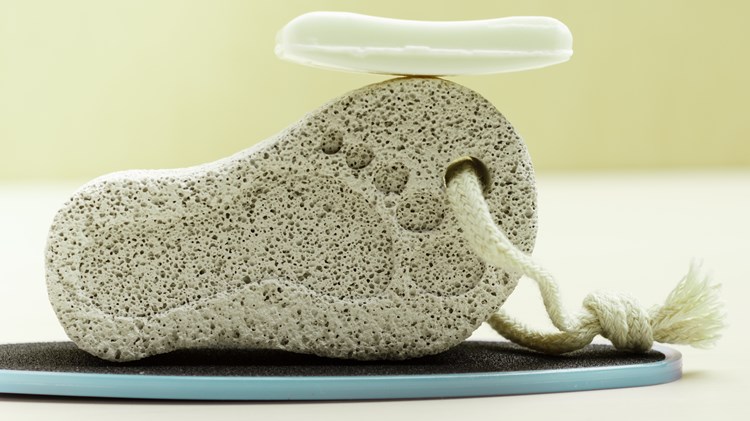
- File corns and calluses gently with an emery board or pumice stone. Do this after a bath or shower.
- Cut toenails once a week or when needed. Cut toenails when they are soft from washing. Cut them to the shape of the toe and not too short. File the edges with an emery board.
- Always wear slippers or shoes to protect feet from injuries.
- Always wear socks or stockings to avoid blisters. Do not wear socks or knee-high stockings that are too tight below the knee.
- Wear shoes that fit well. Shop for shoes at the end of the day when the feet are bigger. Break in shoes slowly. Wear them 1 to 2 hours each day for the first few weeks.
- Before putting shoes on, feel the insides to make sure they have no sharp edges or objects that might injure the feet.
- Keep the blood flowing to feet. Put feet up when your elderly loved is sitting. Have them wiggle their toes for 5 minutes, 2 or 3 times a day. Move the ankles up and down and in and out to improve blood flow in the feet and legs.
- Don't cross legs for long periods of time.
- Don't wear tight socks, elastic or rubber bands, or garters around the legs.
- Don't smoke. Smoking reduces blood flow to the feet.
- Work with your health care team to control your A1C (blood glucose), blood pressure and cholesterol.
How Can the Doctor Help With Diabetic Foot Care?
Talking to your elderly parent's doctor about diabetic foot care is crucial. Here are some tips.
- Tell your doctor right away about any foot problems.
- Ask your doctor to look at your feet at each diabetes checkup. To make sure your doctor checks your feet, take off your shoes and socks before your doctor comes into the room.
- Ask your doctor to check how well the nerves in your feet sense feeling.
- Ask your doctor to check how well blood is flowing to your legs and feet.
- Ask your doctor to show you the best way to trim your toenails. Ask what lotion or cream to use on your legs and feet.
- If you cannot cut your toenails or you have a foot problem, ask your doctor to send you to a foot doctor. A doctor who cares for feet is called a podiatrist.
Blisters, Corns and Calluses
For a person who has diabetes, foot problems can lead to serious infections.
Corns and calluses are thick layers of skin caused by too much rubbing or pressure on the same spot. Corns and calluses can become infected.
Blisters can form if shoes always rub the same spot. Wearing shoes that do not fit or wearing shoes without socks can cause blisters. Blisters can become infected.
Ingrown Toenails
Ingrown toenails happen when an edge of the nail grows into the skin. The skin can get red and infected. Ingrown toenails can happen if you cut into the corners of your toenails when you trim them. If toenail edges are sharp, smooth them with an emery board. You can also get an ingrown toenail if your shoes are too tight.
Plantar Warts and Hammertoes
Plantar warts are caused by a virus. The warts usually form on the bottoms of the feet.
Hammertoes form when a foot muscle gets weak. The weakness may be from diabetic nerve damage. The weakened muscle makes the tendons in the foot shorter and makes the toes curl under the feet. You may get sores on the bottoms of your feet and on the tops of your toes. The feet can change their shape. Hammertoes can cause problems with walking and finding shoes that fit well. Hammertoes can run in the family. Wearing shoes that are too short can also cause hammertoes.
Dry Skin
Dry and cracked skin can happen because the nerves in your legs and feet do not get the message to keep your skin soft and moist. If it gets bad enough, dry skin can crack and leave your feet vulnerable to infections. If your blood glucose is high, it feeds bacteria and makes the infection worse.
Athlete's Foot
Athlete's foot is a fungus that causes itchiness, redness, and cracking of the skin. The cracks between the toes allow germs to get under the skin. If your blood glucose is high, it feeds the germs and makes the infection worse. The infection can spread to the toenails and make them thick, yellow, and hard to cut.
Orthopedic Shoes
Special shoes can be made to fit softly around your sore feet or feet that have changed shape. This specialized footwear can help protect your feet and prevent any issues from worsening. Medicare and other health insurance programs may pay for special shoes. Talk with your doctor about how and where to get them.
The National Diabetes Information Clearinghouse (NDIC) is an information dissemination service of the National Institute of Diabetes and Digestive and Kidney Diseases (NIDDK).