
Nearly 800,000 strokes occur in the United States each year. According to the Centers for Disease Control and Prevention (CDC), stroke is the fifth leading cause of death in the country and causes more serious long-term disabilities than any other disease.
What Is a Stroke?
A stroke occurs when the blood supply to part of the brain is suddenly interrupted, usually by a clot (ischemic stroke), or when a blood vessel in the brain bursts (hemorrhagic stroke). Brain cells die when they no longer receive oxygen and nutrients from the blood or there is sudden bleeding into or around the brain. Strokes are sometimes referred to as “brain attacks” and are equally as serious as heart attacks.
Newer treatments are available that can greatly reduce the damage caused by a stroke, but timing is everything. Knowing the risk factors for stroke, recognizing stroke symptoms, calling 911 immediately and getting to a hospital as quickly as possible are critical for preventing disability and death.
Symptoms of a Stroke
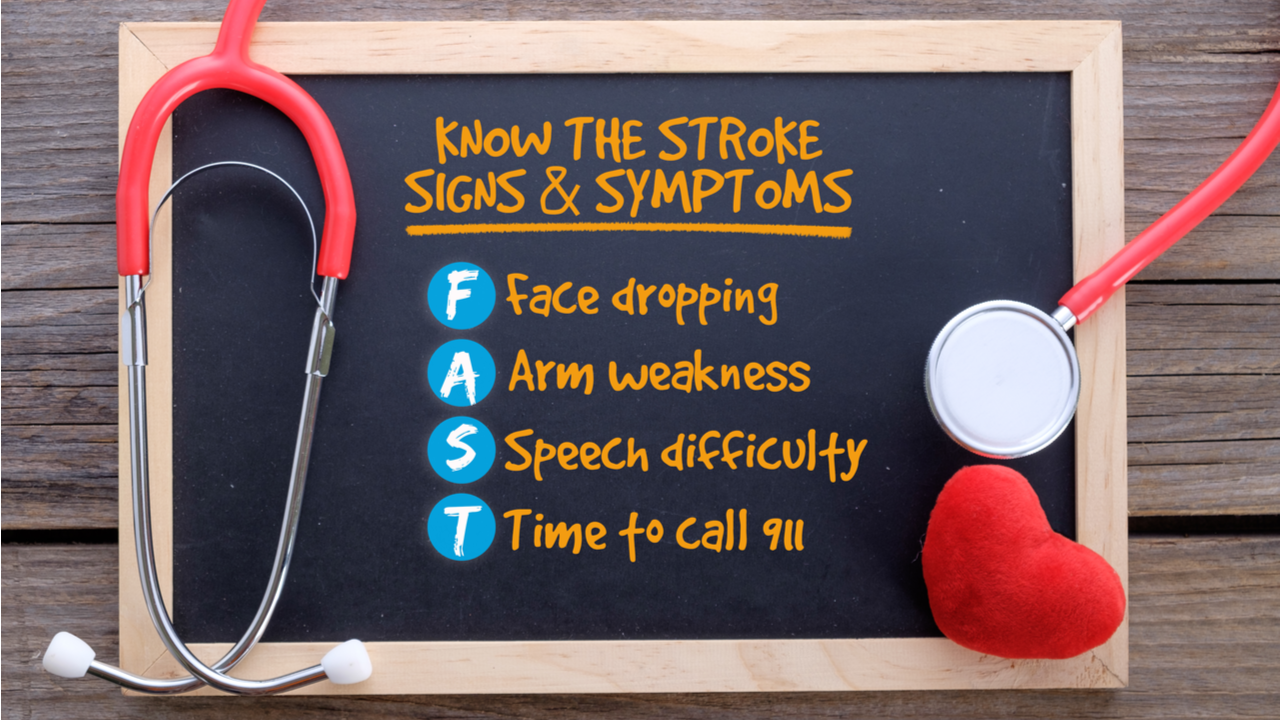
Strokes are dangerous because they happen abruptly and without warning. Keep an eye out for these telltale signs that a person is having a stroke:
- Sudden numbness or weakness, especially on one side of the body. (An easy way to test this is by asking the person to smile and lift both arms. Look to see if one side of their face droops or one arm is weaker or lower than the other.)
- Sudden confusion, trouble speaking or difficulty understanding speech.
- Sudden trouble seeing in one or both eyes.
- Sudden trouble with walking, dizziness, or loss of balance or coordination.
- Sudden severe headache with no known cause.
What Are Risk Factors for a Stroke?
Since a stroke can be so debilitating, prevention is still the best medicine. Unfortunately, stroke risk increases with age, but there are other risk factors that can be managed. Individuals with the following conditions should work to reduce their risk and ensure they (and those closest to them) are familiar with the signs of stroke.
- High blood pressure (hypertension)
- Obesity
- High cholesterol
- Cigarette smoking
- Heart disease
- Diabetes
For most people, lifestyle changes can reduce stroke risk associated with all these factors. Eating a balanced diet, maintaining a healthy weight and exercising regularly are crucial for cardiovascular health. Medications are also available to help control hypertension, cholesterol levels, blood sugar, weight and the urge to smoke.
Short- and Long-Term Effects of Stroke
Although stroke occurs in the brain, it can affect the entire body. Hemiplegia (complete paralysis on one side of the body) and hemiparesis (weakness on one side of the body) are two common disabilities caused by stroke. Survivors may also experience difficulties with thinking, awareness, attention, learning, judgment, emotions and mood, memory, and understanding or forming speech. Depression is common following a stroke and may be due to changes in the brain and/or difficulties associated with both temporary and permanent functional limitations. However, post-stroke rehabilitation can greatly improve a survivor’s functioning and overall quality of life.
Stroke survivors may experience lingering numbness, pain or strange sensations, usually in the hands and feet. Post-stroke pain is often exacerbated by movement and temperature changes, especially cold temperatures. Sadly, recurrent stroke is common. According to the National Institute of Neurological Disorders and Stroke (NINDS), about 25 percent of people who recover from their first stroke will have another stroke within 5 years.